

Operational Performance Excellence
Synesis specializes in providing training and consulting services on advanced methods and tools for improving operational performance in the industrial and service sectors.
Thanks to extensive experience, we design and implement tailored programs for companies, transferring practical skills in Lean Operations, World Class Manufacturing, Total Productive Maintenance, Total Quality Management, and Lean Six Sigma.
Discover some of our dedicated services
Operational Excellence Program
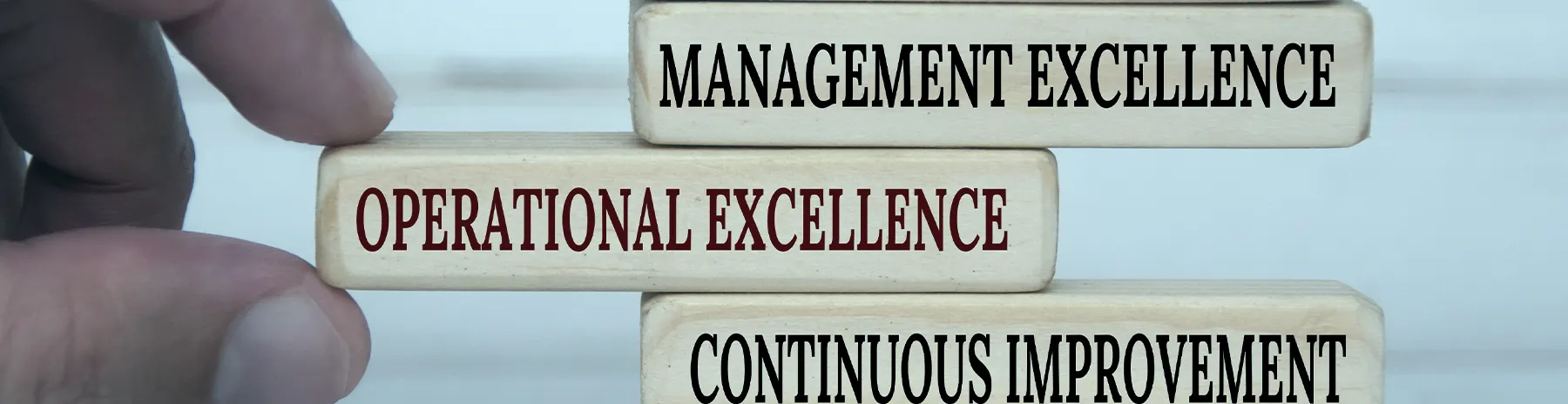
Synesis supports companies in designing and implementing Corporate Production Programs based on Lean Manufacturing principles, evolving from World Class Manufacturing (WCM) models to embrace a more flexible, lean, and customer-tailored approach.
Our method is based on waste reduction and process optimization, ensuring an organized, consistent, and sustainable production system. The goal is to continuously improve business performance through a model that focuses on people, innovation, and digitalization.
The main objectives of the Operational Excellence Program include:
Safety: Reducing risks to staff and creating a safer work environment.
Sustainability: Supporting the corporate sustainability roadmap by reducing waste and environmental impacts.
Quality: Improving product quality through optimized and standardized processes.
Operational Efficiency: Reducing production and logistics costs through a lean and high-performance system.
Skills: Continuously developing staff competencies to enhance autonomy and performance.
Digitalization: Integrating advanced technological solutions for an efficient and connected Industry 4.0.
Service: Improving service levels and market response times.
Thanks to our experience and the use of advanced Lean Manufacturing tools, we help companies create resilient production systems oriented towards continuous improvement, transforming the factory into an engine of innovation and competitiveness.
Production Scheduling
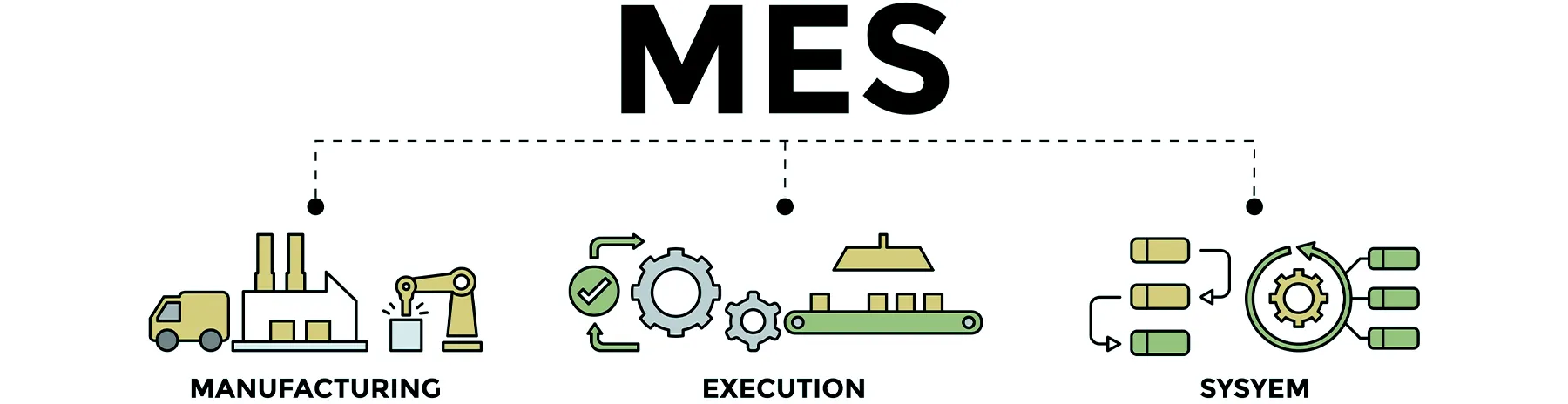
Production scheduling involves the business processes responsible for organizing production activities in alignment with corporate plans and related economic-financial objectives.
It consists of three subgroups of processes related to different time horizons:
↳ Long-term Planning (Budgeting Demand Planning)
↳ Medium-term Scheduling (MPS and MRP)
↳ Short-term Scheduling (APS and MES)
Where factories or service units are already set up and organized, Synesis can support further improvement by introducing and guiding the company in the use of advanced tools:
Finite Capacity Schedulers
Production Leveling
Simulation Software for optimizing internal and external logistics processes
Internal and External Logistics
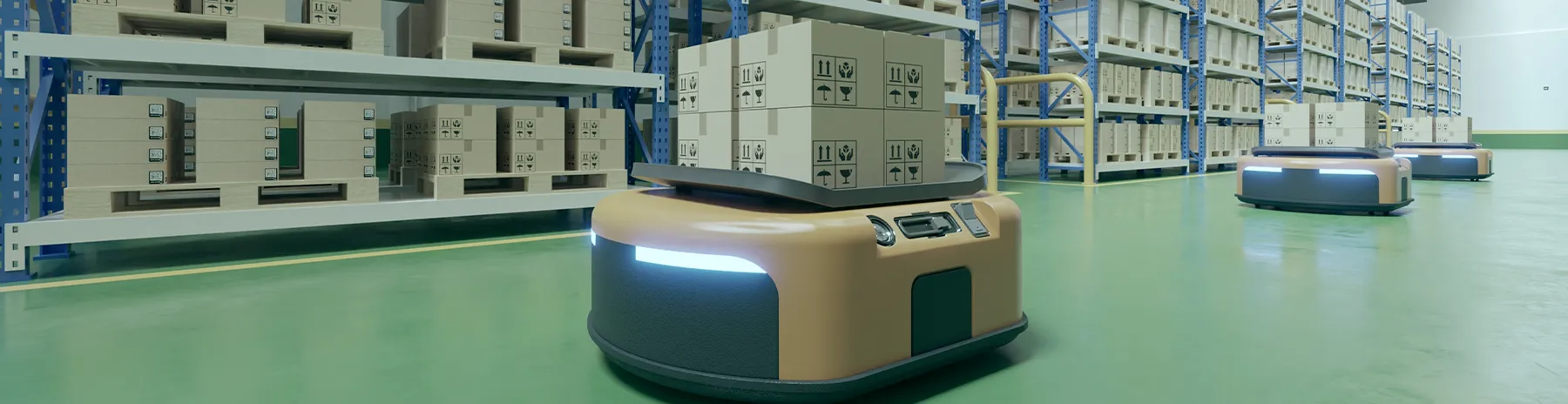
Logistics contributes to optimizing production by supplying materials in ideal positions for operators with appropriate flows and calling systems, capable of optimizing internal movement, stock management, and lead time.
Synesis follows a structured process for reviewing and developing logistics:
Phase 1
Initial activities: Restoring conditions, mapping, and material classification
Phase 2
Designing the future state of logistics processes
Phase 3
Re-engineering internal logistics and creating standards
Phase 4
Re-engineering external logistics and creating standards
Phase 5
Refinement and perfection
Supply Chain Management

Effective Supply Chain Management is essential to ensure operational efficiency, cost reduction, and greater market competitiveness. Synesis supports companies in optimizing their Supply Chain through strategic consulting services and targeted training programs. With our expertise and hands-on approach, we help businesses enhance the management of production, logistics, and procurement flows, increasing responsiveness to market demands and optimizing relationships with suppliers and customers.
Our Services
Analysis & Optimization: Performance evaluation, waste reduction, and improvement of logistics flows.
Planning & Management: Demand Planning, S&OP (Sales & Operations Planning), inventory management, and MTO (Make-to-Order) vs. ETO (Engineering-to-Order) strategies.
Procurement & Vendor Management: Purchasing strategies, supplier selection, and vendor rating.
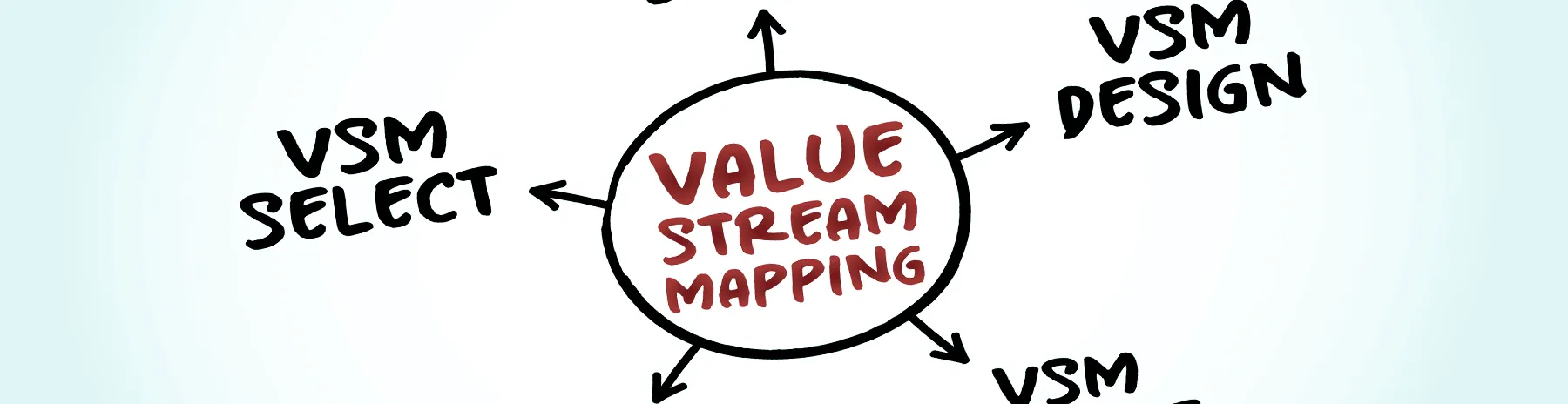
Lean Supply Chain: Implementation of Lean methodologies, Value Stream Mapping, and inbound/outbound flow management.
Factory Layout Design (Redesign)
With over decades of experience in the sector, we support companies in designing and redesigning factory layouts with the aim of maximizing operational efficiency and optimizing logistics flows.
We provide highly specialized skills capable of analyzing specific production contexts and identifying optimal solutions to reduce waste, minimize movement times, and ensure smooth and effective management of activities.
Our customized solutions help companies improve productivity, increase operational flexibility, and support sustainable and lasting growth.
Product and Process Quality Control

Ensuring the quality of products and services is essential for ensuring business sustainability and the development of new markets.
Synesis has extensive experience in supporting clients’ organizations in continuous improvement of quality performance using methods and tools to consolidate process capability and reliability, such as: Control plans, SPC, Poka Yoke, MSA, Quality maintenance, Quality gates, Human Error analysis, Incoming materials system, AQPQ/PPAP, Quality advanced tools, Supply chain audit & management, Claim management, Preventive & proactive quality tools.
The transition to Industry 4.0 also brings new challenges for all company functions, placing quality at the center.
Synesis helps clients implement new quality systems for Industry 4.0, enabling companies to take advantage of new technologies to make significant progress in production efficiency and better meet customer needs.
Workplace Optimization
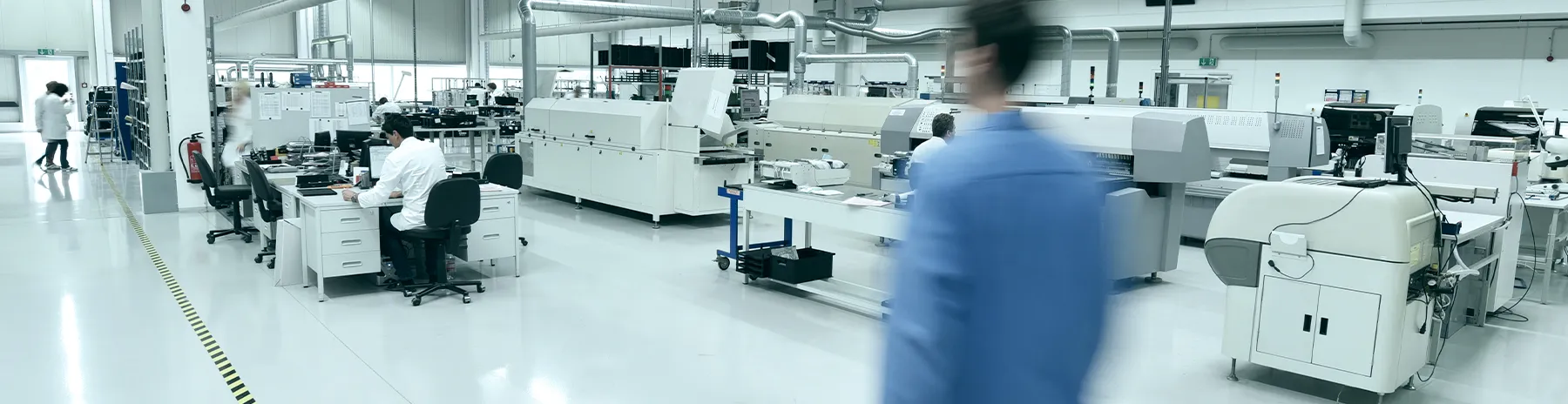
Workplace analysis involves optimizing production, which means producing more pieces within the same time (reducing cycle time) or producing the same amount with fewer resources, for example, in assembly lines.
To achieve this, operators must work in ergonomic conditions (avoiding MURI) and standardize processes (avoiding MURA) to ensure compliance with the assigned cycle time, performing only Value-Added Activities for the Customer (avoiding MUDA).
Synesis uses innovative IoT 4.0 tools to support analysis and define new production methods.
Synesis follows a structured process of reviewing and developing Workplace Organization:
Phase 1
Initial Cleaning and Basic Conditio restoration
Phase 2
Improvement of Workstations
Phase 3
Balancing
Phase 4
Standards development
Phase 5
Refinement and perfection
Autonomous and Professional Maintenance

The goal of maintenance is to ensure that plants and machines are available and reliable, eliminating downtime due to breakdowns and faults, with minimal cost to the organization.
Partendo dai TPM come modello base, Synesis sviluppa una metodologia che suddivide le attività manutentive tra:
Autonomous Maintenance – performed by production staff
Professional Maintenance – performed by maintenance technicians
Predictive Maintenance – executed by IoT systems and tools
The initial phase of the reorganization of maintenance processes includes an assessment that describes:
Maintenance methodologies applied across different plants
Plant performance (OEE, MTBF, MTTR where available)
Maintenance costs and losses due to inadequate maintenance
Following the assessment, our professionals will guide the client organization in defining the best procedures for autonomous, professional, and predictive maintenance to increase plant availability and improve production performance.
The management of machinery, based on TPM 4.0 principles, can greatly benefit from data analysis and measurements made available by technology. This enables the early detection of issues and malfunctions, allowing for preventive actions and thus ensuring safer and more efficient use of resources.
Energy management

Industry 4.0 and energy management merge into a positive combination that creates synergies to increase company competitiveness.
The use of integrated and interconnected systems for monitoring and controlling energy consumption and production parameters enables the system to identify energy waste and achieve higher efficiency levels.
With AI-based systems, it is possible to control plants dynamically using predictive models, yielding further savings.
Synesis consultants, qualified as Energy Management experts (EGE), support client organizations in Energy Management services to:
Ensure regulatory compliance regarding energy management and consumption
Provide data analysis services for constant monitoring of electricity consumption and early detection of anomalies
Identify areas for potential energy efficiency improvements, assessing the costs/benefits of individual interventions
Support in contract negotiation with electricity suppliers
Continuous Improvement

Continuous improvement, or kaizen, is one of the pillars of all Lean models. Improving things—changing them for the better—is a necessity for organizations that must be developed with the correct methodologies to avoid costly mistakes in terms of both finances and the loss of employee engagement.
Every type of loss requires an appropriate approach: for instance, losses due to Non-Value-Added Activities are addressed with Muri-Mura-Muda methodologies, or losses due to equipment failures by investigating maintenance activities or usage practices.
Synesis provides support for:
Choosing the most suitable methodologies to address the specific type of loss
Conducting effective and efficient improvement projects
Evaluating projects in terms of Costs and Benefits
Training the organizational structure for improvement
Managing Change Management
Creating and managing the Compass Room
Product development
In the competitive environment in which companies operate, it is increasingly important to focus on the analysis and management of the PRODUCT’S VALUE for the customer (performance and cost ratio) in all stages of product/process development.
To help companies improve product/service performance while simultaneously reducing costs, Synesis offers consultancy and training interventions related to the following methodologies:
Design to Cost & Target Costing
Value Engineering & Value Analysis
Design for Six Sigma
Quality to Design & QFD (Quality Function Deployment)
Design Review
Design for Assembly/Manufacturing
Early Product Management
Lean Six Sigma
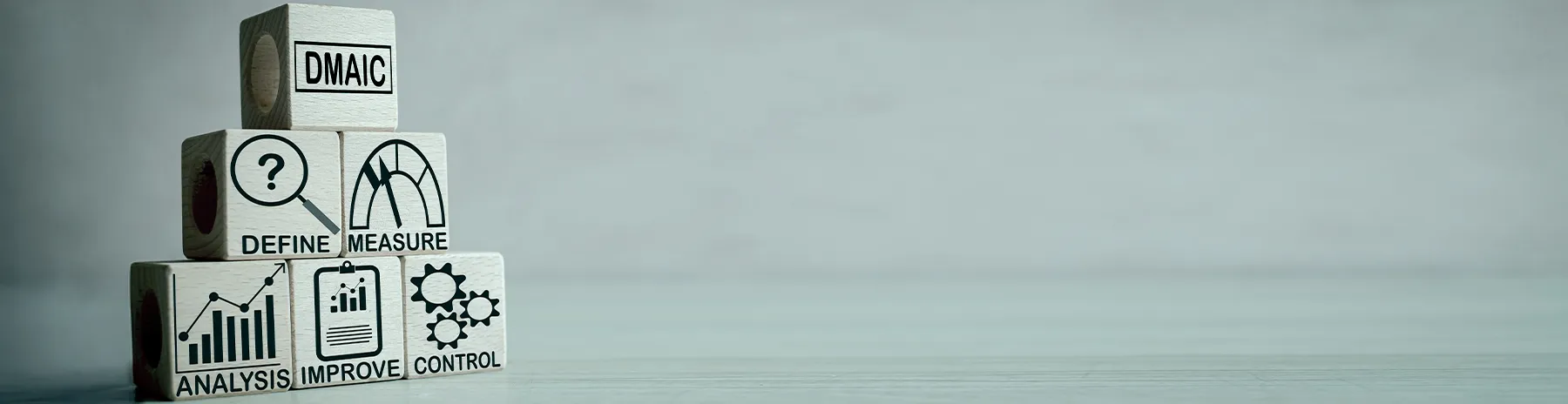
The Lean Six Sigma methodology combines principles and tools from Six Sigma and Lean Production to eliminate waste and losses, optimizing resource usage, work areas, and production cycles, while ensuring high quality in production and process management.
Synesis, through its Master Black Belts, offers consultancy and training interventions that introduce Lean Six Sigma principles and methods into the continuous improvement systems of clients’ product and process systems.

Operational Performances Excellence
Lean Manufacturing
Excellence Production Program
Six Sigma & Continuous Improvement System

